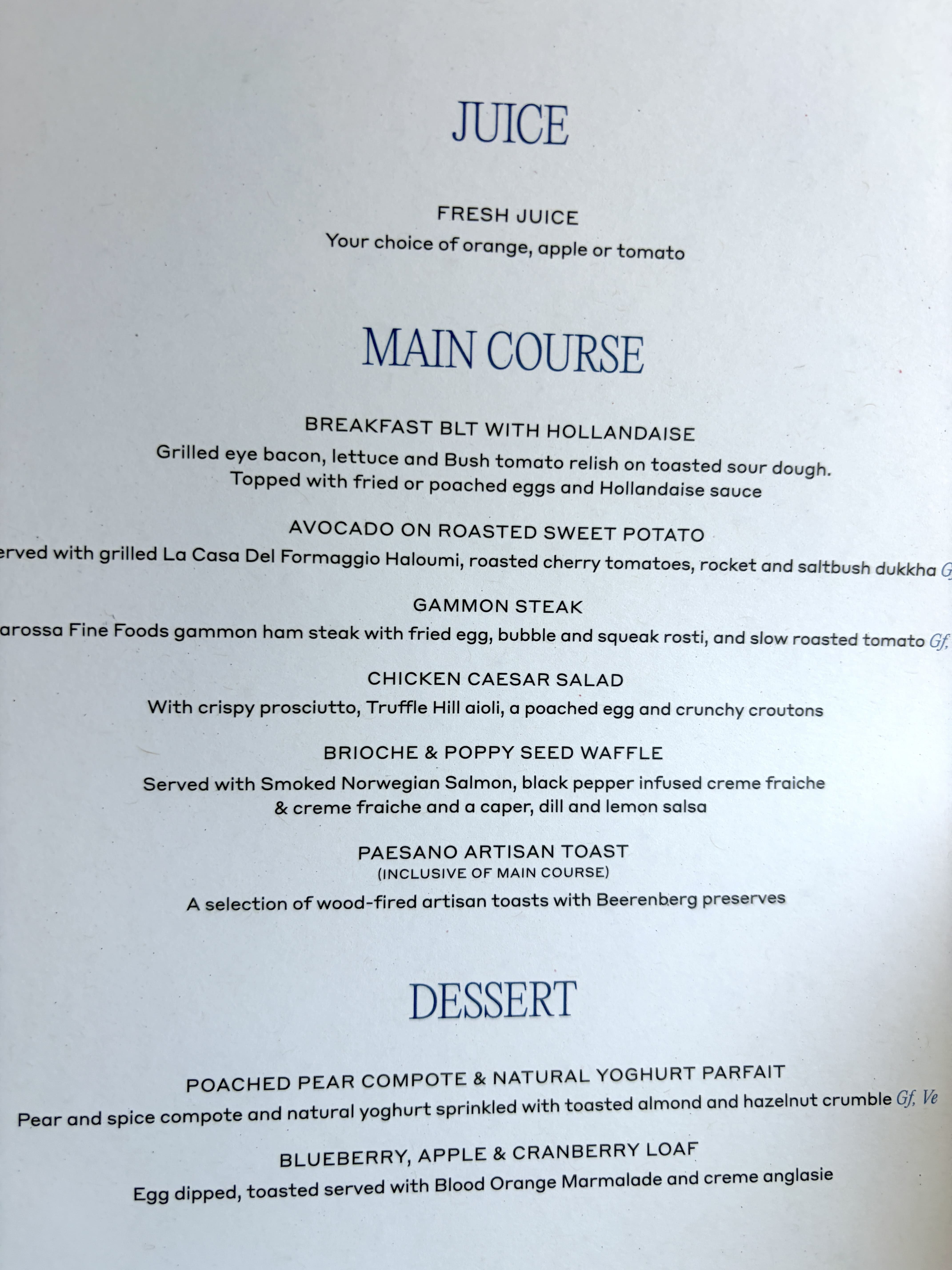
 We awoke on the second morning of our
trip still traversing the Nullabor. If requested, the
attendants will bring you a pot of wake-up tea at a time you
specify. Today was a start on the earlier side so that we
could see the gold mining town of Kalgoorlie.After a hearty
breakfast we arrived in Kalgoorlie, mid-morning. We took a bus
to the Super Pit, followed by a bus tour of the town. The tour
was a bit brief, so we have added a bit more information about
Kalgoorlie
We awoke on the second morning of our
trip still traversing the Nullabor. If requested, the
attendants will bring you a pot of wake-up tea at a time you
specify. Today was a start on the earlier side so that we
could see the gold mining town of Kalgoorlie.After a hearty
breakfast we arrived in Kalgoorlie, mid-morning. We took a bus
to the Super Pit, followed by a bus tour of the town. The tour
was a bit brief, so we have added a bit more information about
Kalgoorlie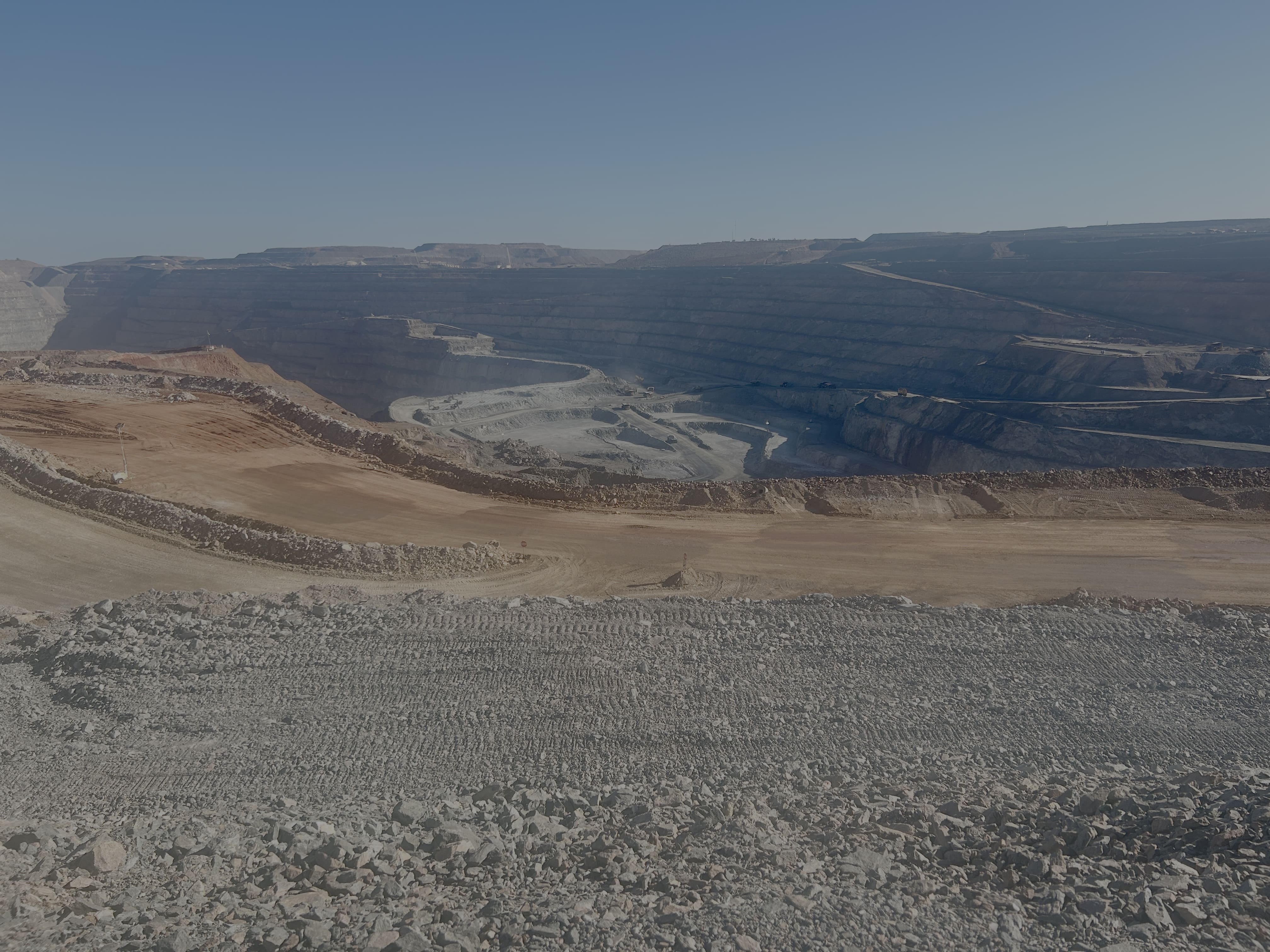
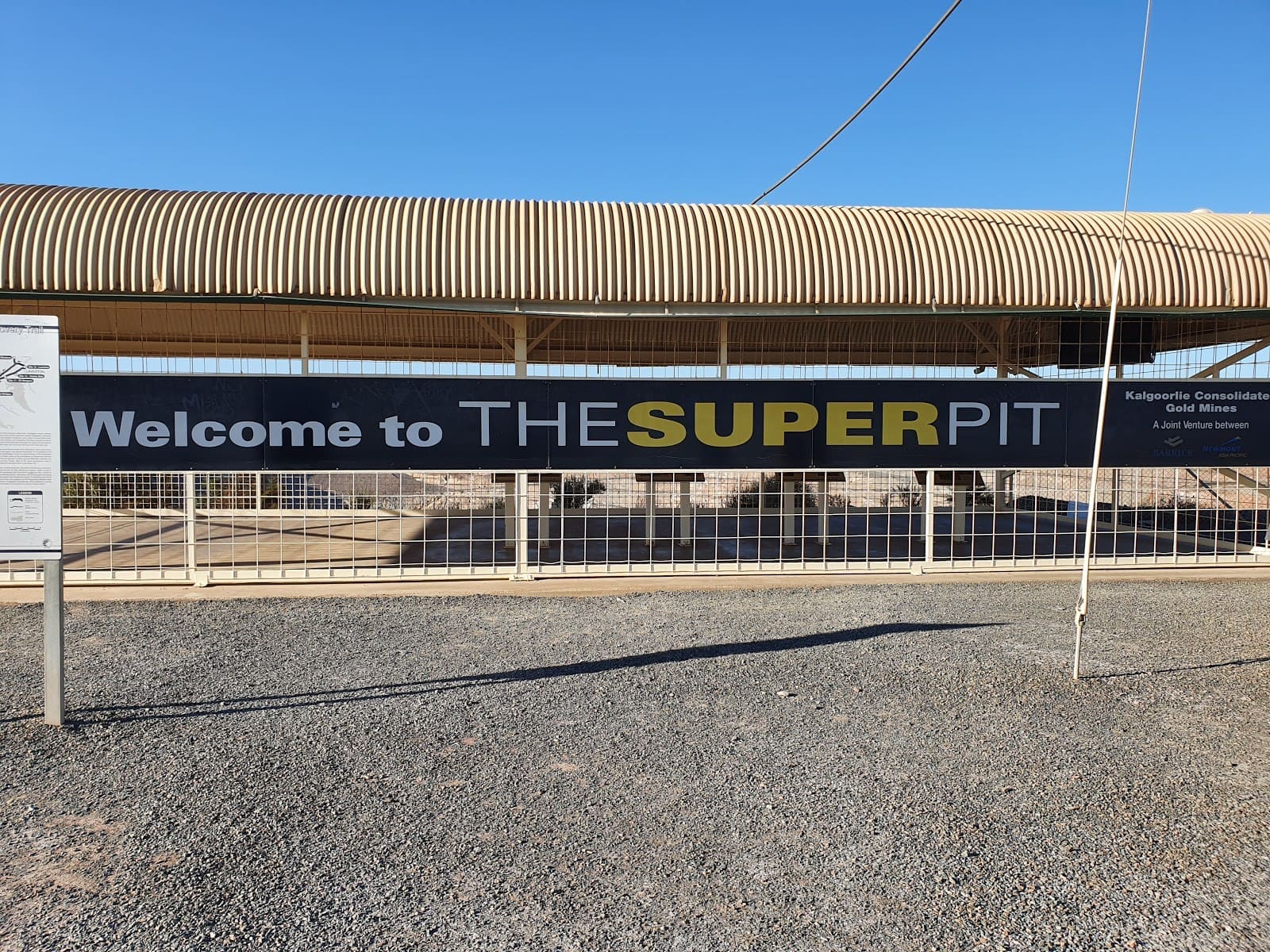 The KCGM Superpit, located
in Kalgoorlie, Western Australia, is one of the largest
open-cut goldmines in the world, and a landmark of the
Goldfields region. Approximately 3.5 kilometers long, 1.5
kilometers wide, and more than 600 meters deep, the Super
Pit is a dramatic reminder of Kalgoorlie's rich gold
mining heritage. It was formed in 1989 through the
amalgamation of numerous smaller underground operations
into a single vast open pit, allowing for the large-scale
extraction of gold. From the Super Pit lookout visitors
are treated to an awe-inspiring view of one of Australia's
most famous mining landmarks. It offers a safe vantage
point to watch massive haul trucks crawling like ants
along winding roads, transporting ore from the pit floor
to the surface. Open year-around, it offers a glimpse into
both the pioneering spirit of the early gold rush and the
modern technology driving today's mining industry. Next to
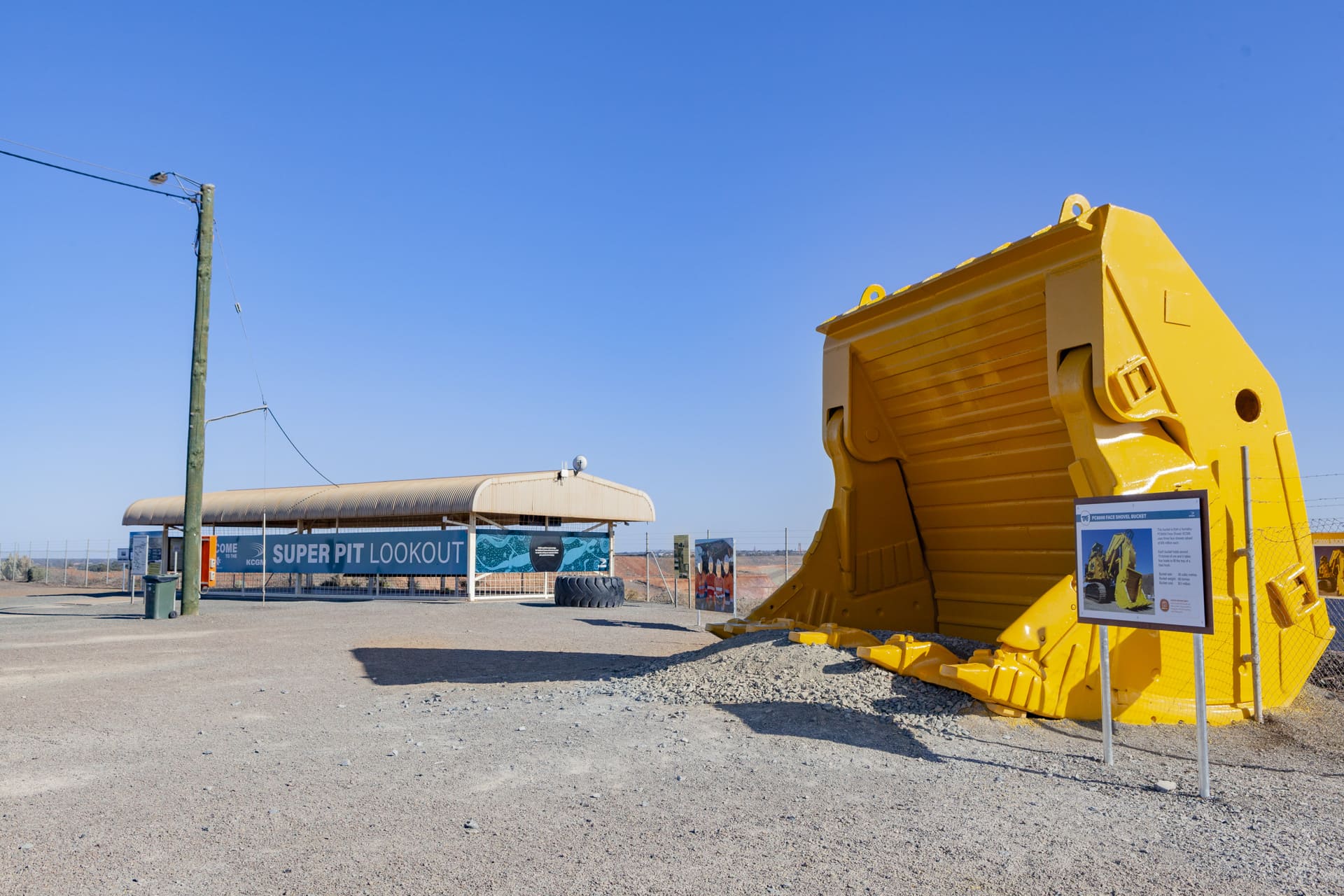
the lookout is the bucket of one of the excavators,
showing the scale of the mining machinery. [Note: there
are additional pictures of the equipment in the virtual
tour, listed below] Indian Pacific also offered a tour of
the underground mines for those less claustrophobic!
The KCGM Superpit, located
in Kalgoorlie, Western Australia, is one of the largest
open-cut goldmines in the world, and a landmark of the
Goldfields region. Approximately 3.5 kilometers long, 1.5
kilometers wide, and more than 600 meters deep, the Super
Pit is a dramatic reminder of Kalgoorlie's rich gold
mining heritage. It was formed in 1989 through the
amalgamation of numerous smaller underground operations
into a single vast open pit, allowing for the large-scale
extraction of gold. From the Super Pit lookout visitors
are treated to an awe-inspiring view of one of Australia's
most famous mining landmarks. It offers a safe vantage
point to watch massive haul trucks crawling like ants
along winding roads, transporting ore from the pit floor
to the surface. Open year-around, it offers a glimpse into
both the pioneering spirit of the early gold rush and the
modern technology driving today's mining industry. Next to
the lookout is the bucket of one of the excavators,
showing the scale of the mining machinery. [Note: there
are additional pictures of the equipment in the virtual
tour, listed below] Indian Pacific also offered a tour of
the underground mines for those less claustrophobic!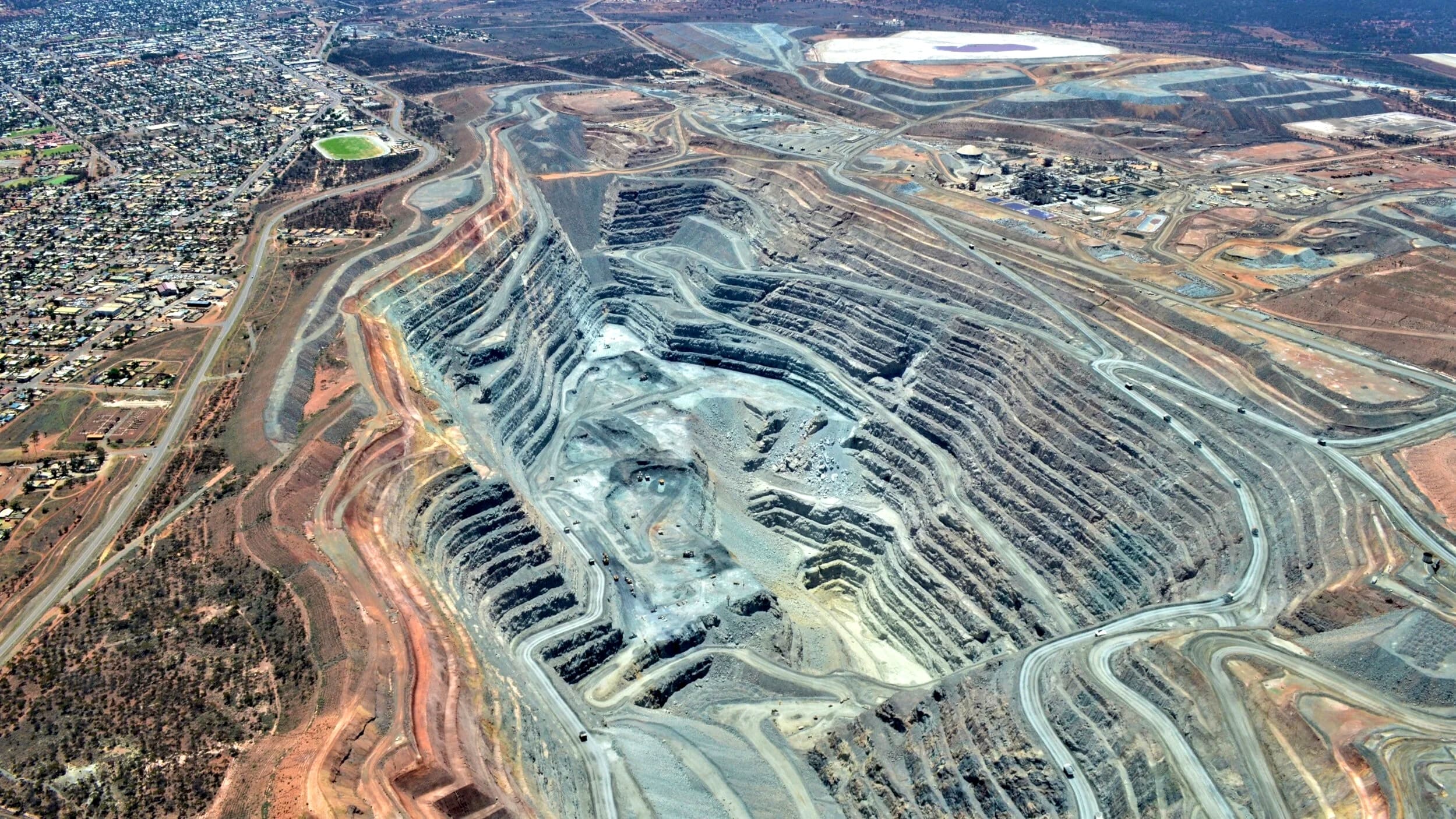 |
 |
 |
 |
| Aerial View of the Super Pit |
Komatsu PC800 Bucket |
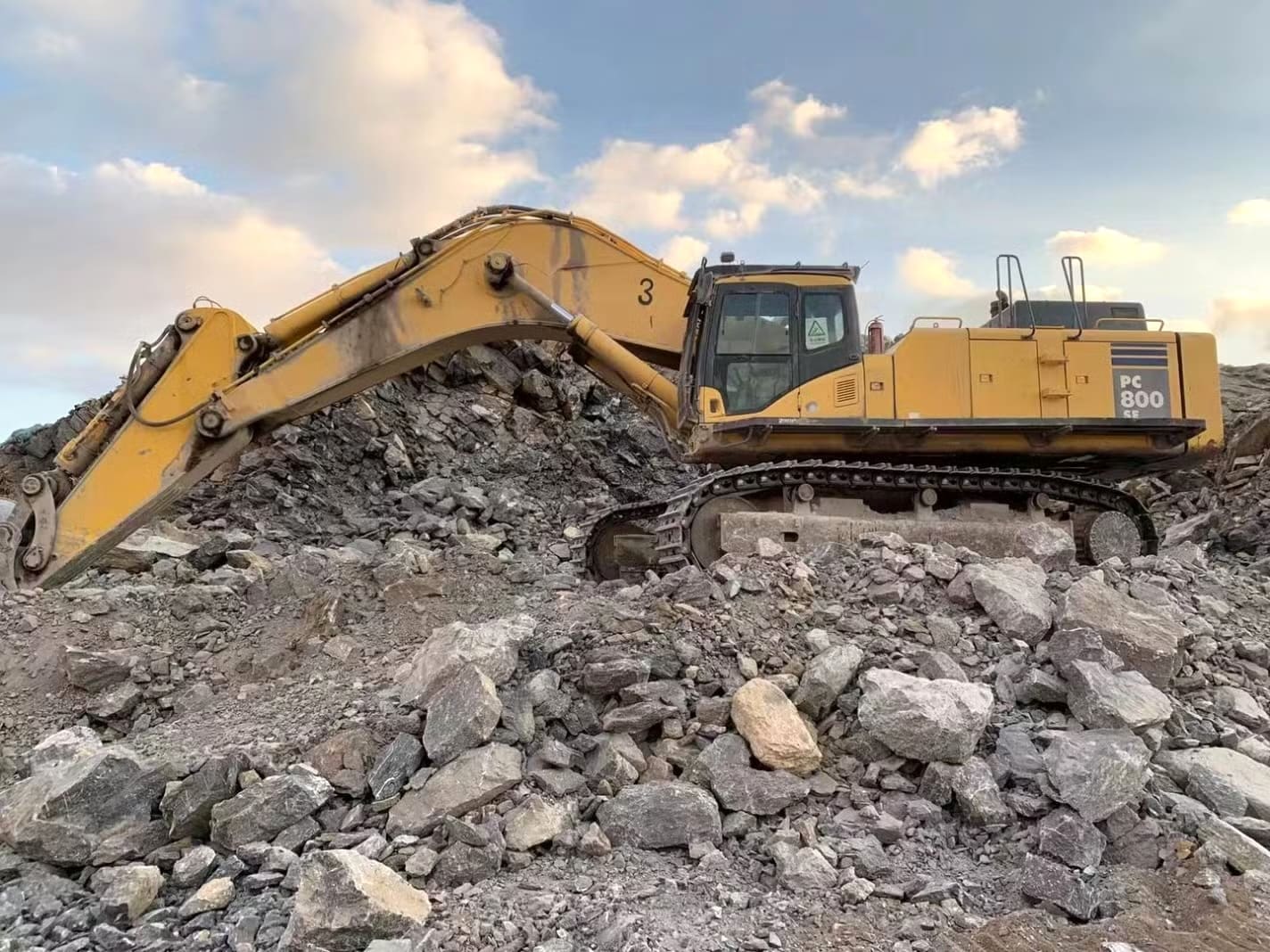
Komatsu PC 800 |
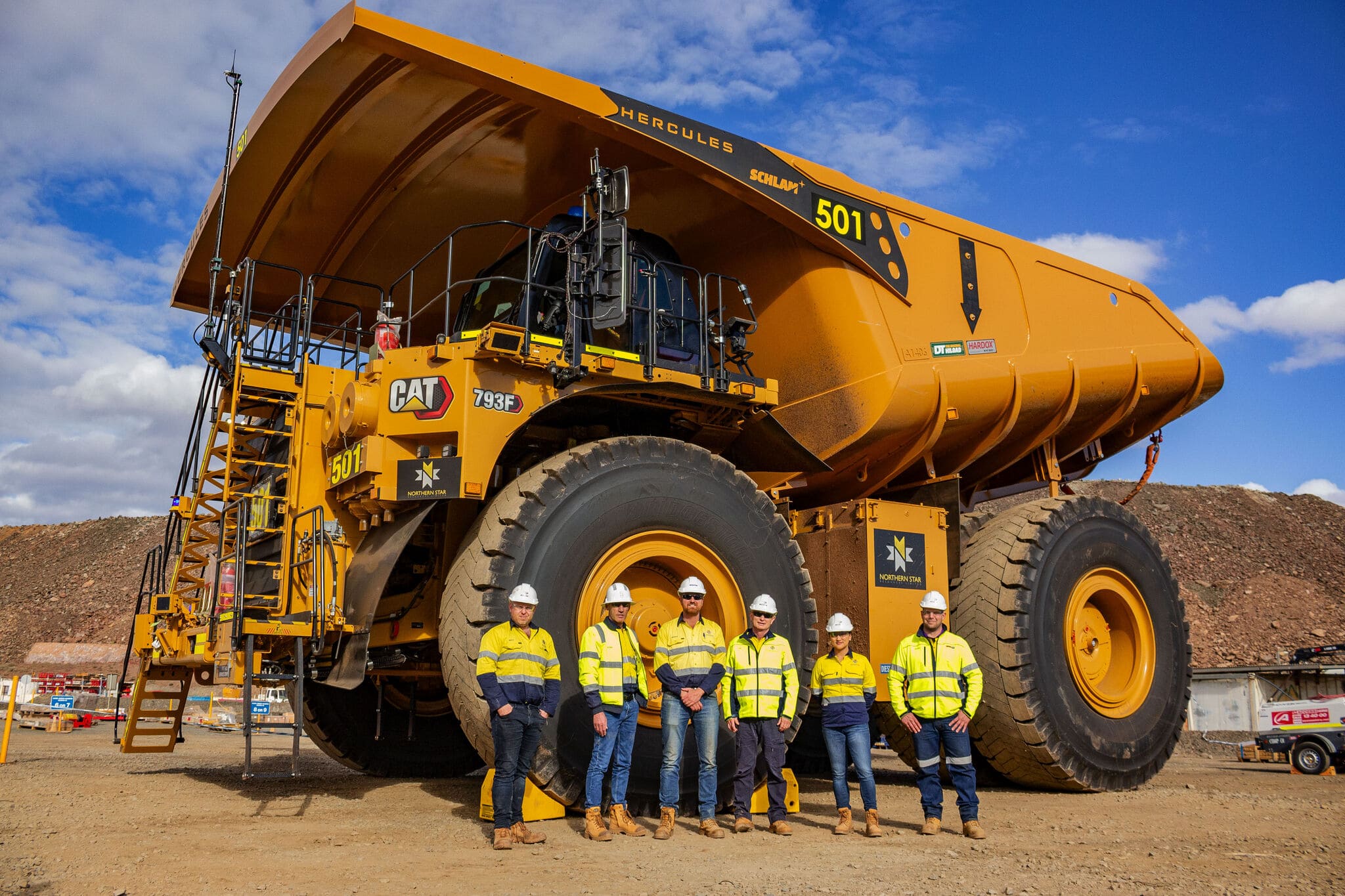
Catepillar Haul Truck |
 |
 |
 |
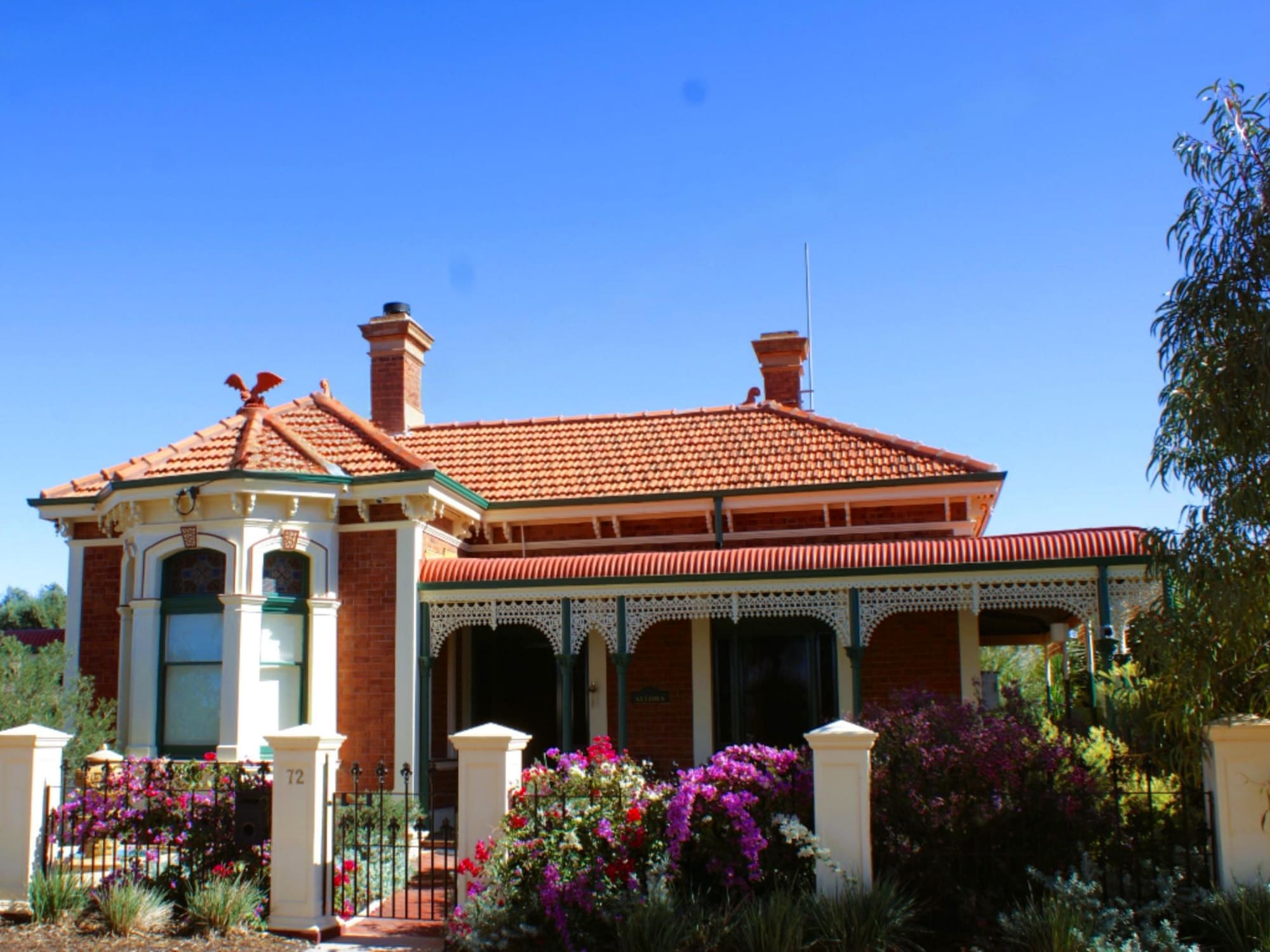
| Allora House Kalgoorlie |
Recreation
Heritage Hotel |
York Heritage Hotel |
 |
 |
 |
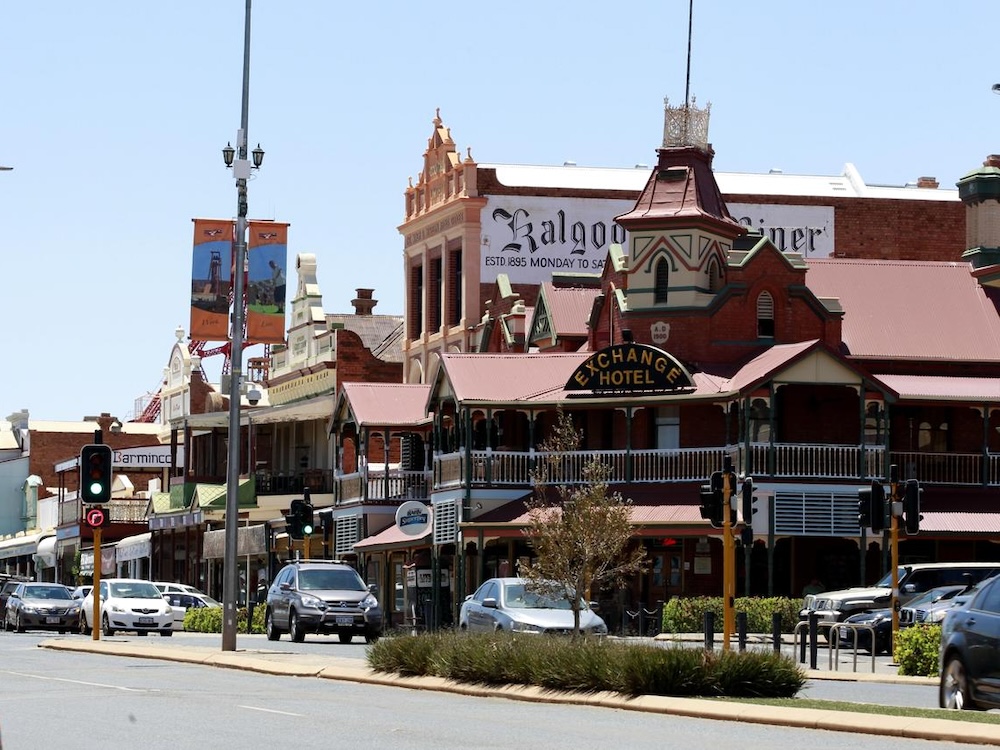
| Museum of the Goldfields | Goldfields War Museum | Exchange Hotel |
 |
 |
 |
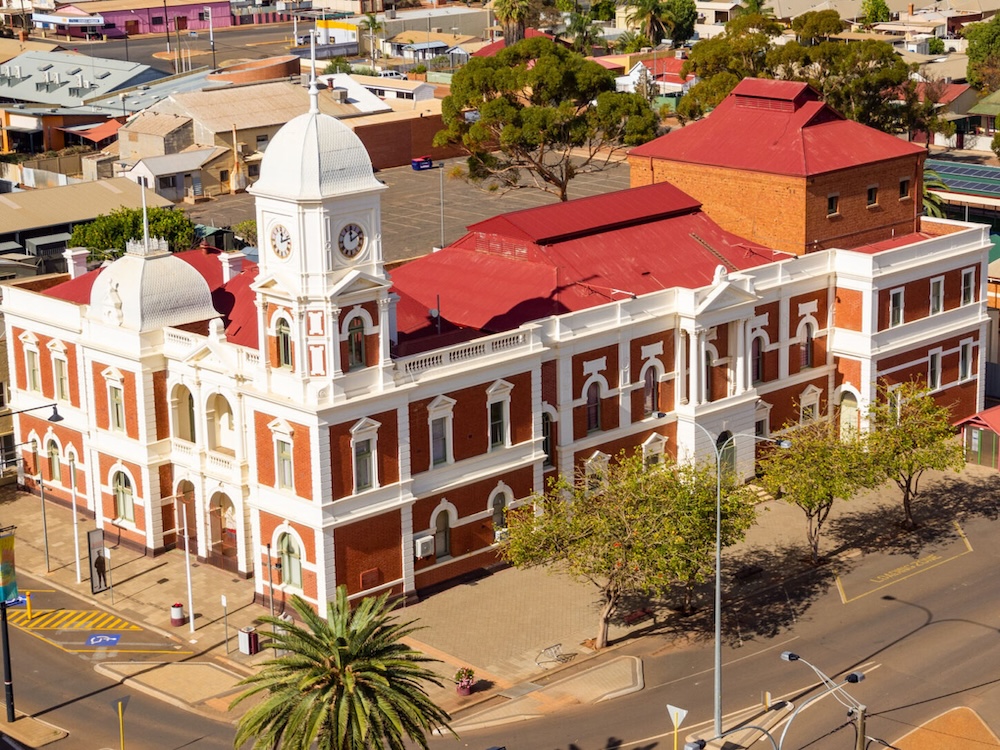
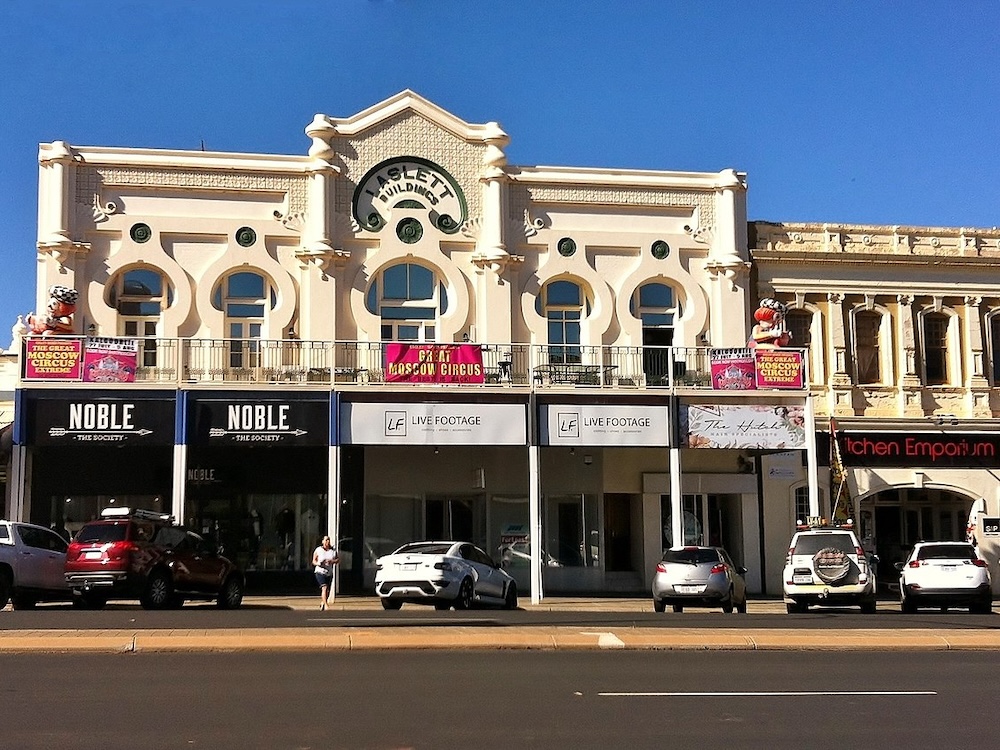
| Laslett Building |
Kalgoorlie Town Hall |
Historic Hannan
Street |
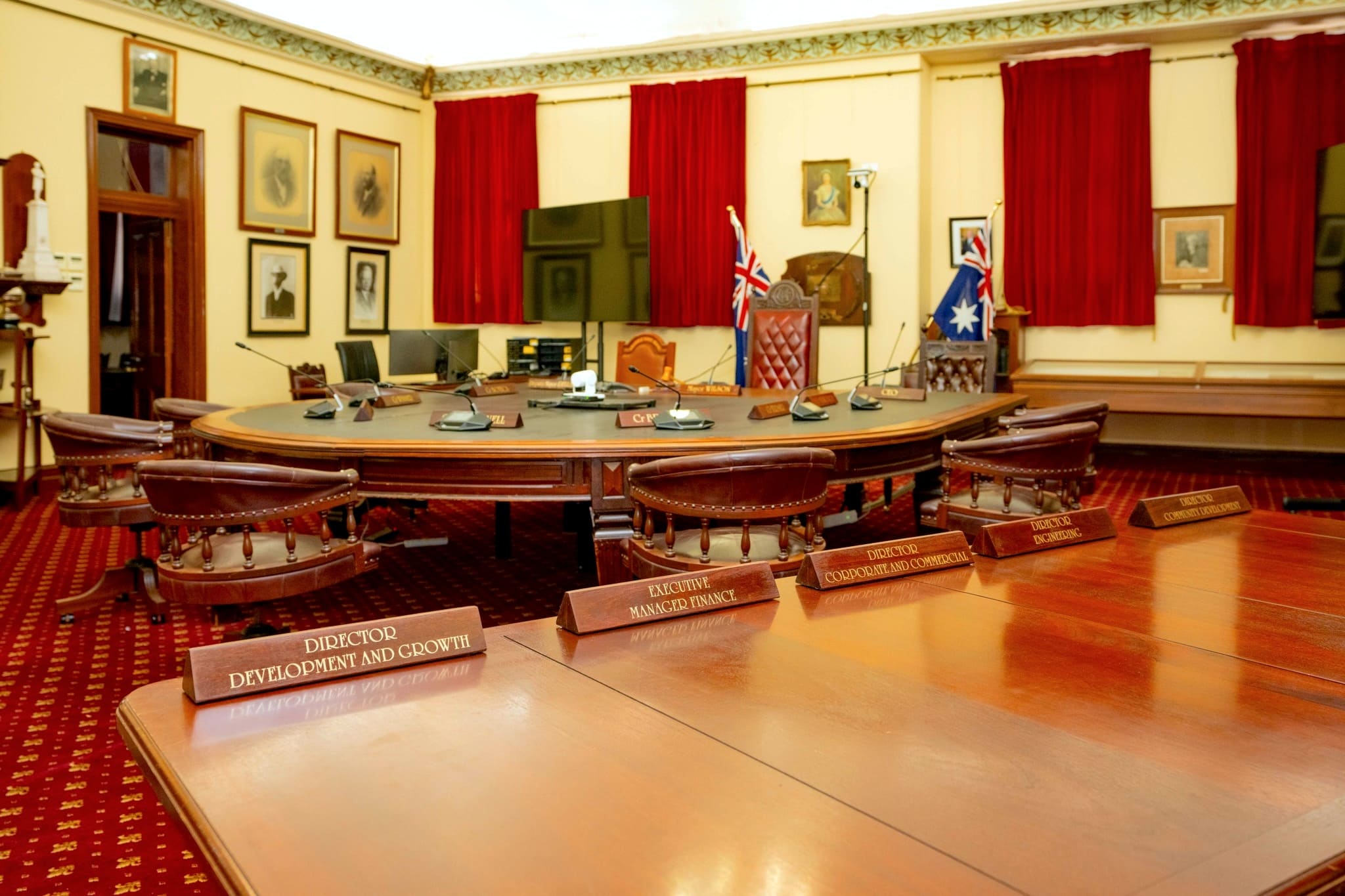 The bus stopped at Kalgoorlie Town
Hall, the lower level of which contained a museum
chronicling the region's involvement in the Great War.The
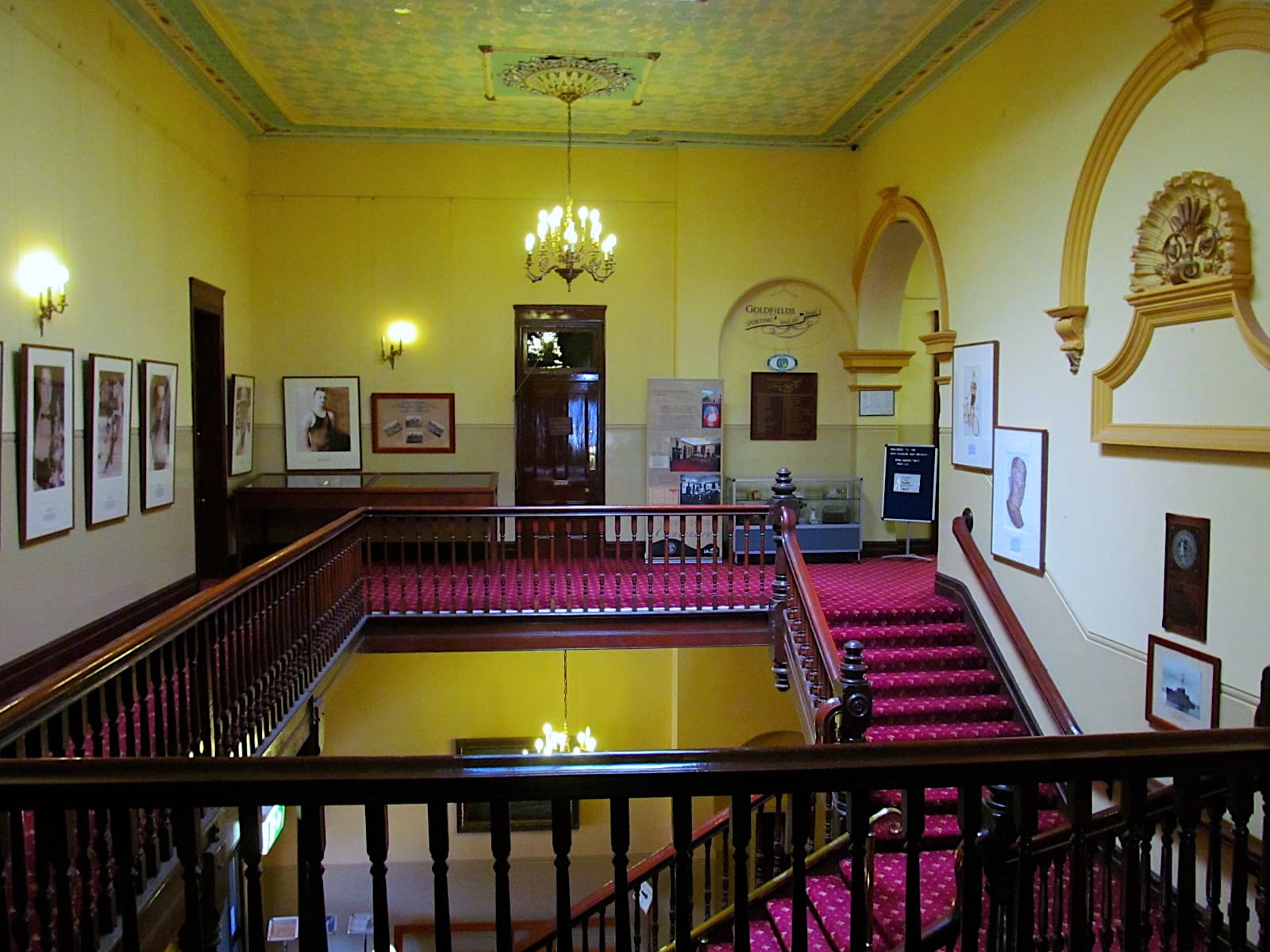
interior is a grand restored Edwardian space showcasing
gold rush wealth with ornate stamped metal ceilings, large
chandeliers, a sweeping staircase and a majestic
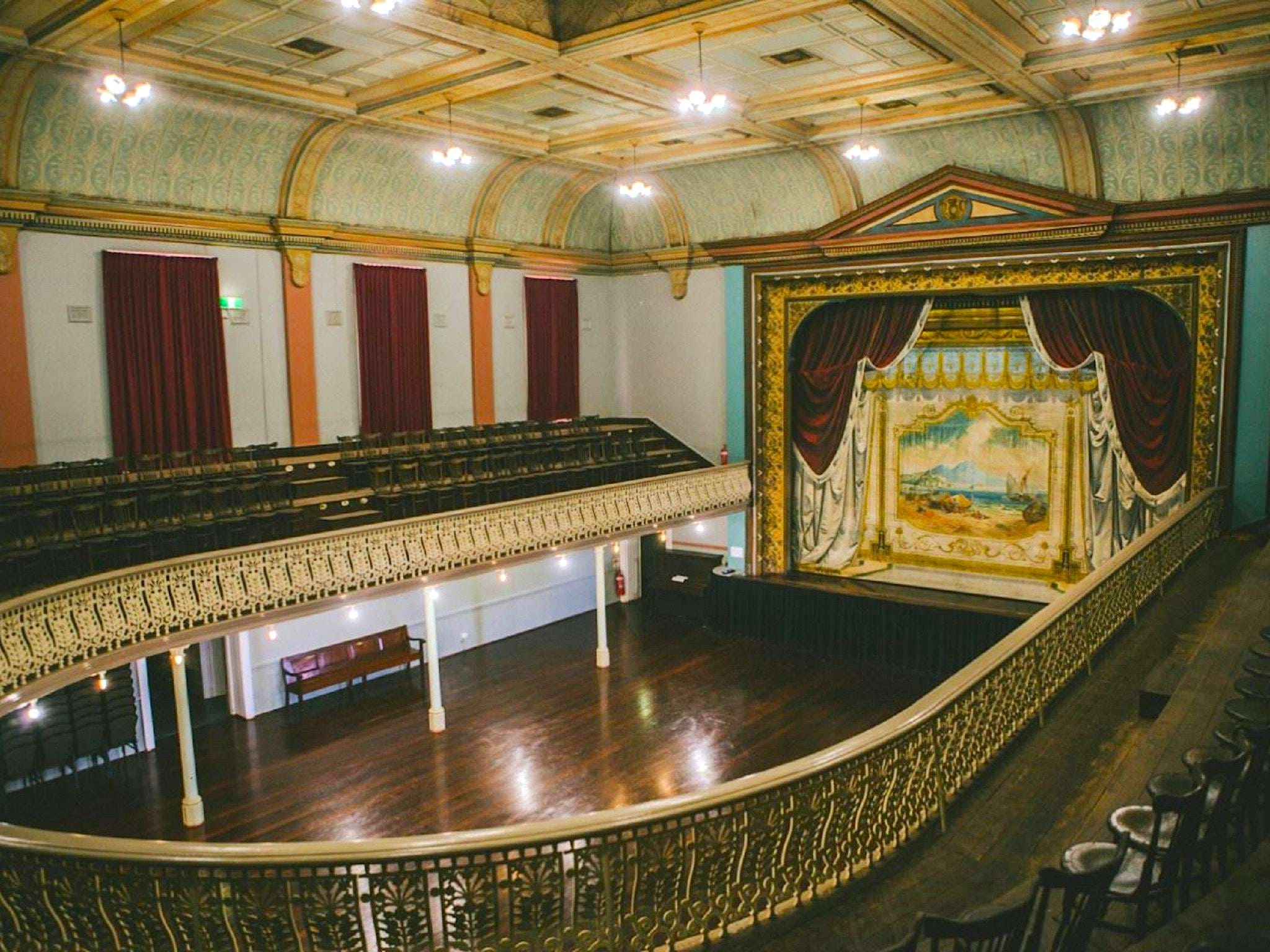
Auditorium with crimson velvet curtain. The key features
includ the impressive proscenium arch, original theater
rigging, and historic Council Chambers with period
furnishings and memorabilia, all reflecting Kalgoorlie's
civic pride and cultural history. The crown jewel of the
city hall a a rare and famous theater stage curtain
painted by Phillip Goatcher in the Tromp-l'oeil painting
style. The curtain is a priceless work of art and is
believed to be the last remaining working stage curtain of
its kind in Australia. It depicts the Bay of Naples, a
Neopolitan scene with Mt. Vesuvius in the background, and
surrounded by tranquil water.
The bus stopped at Kalgoorlie Town
Hall, the lower level of which contained a museum
chronicling the region's involvement in the Great War.The
interior is a grand restored Edwardian space showcasing
gold rush wealth with ornate stamped metal ceilings, large
chandeliers, a sweeping staircase and a majestic
Auditorium with crimson velvet curtain. The key features
includ the impressive proscenium arch, original theater
rigging, and historic Council Chambers with period
furnishings and memorabilia, all reflecting Kalgoorlie's
civic pride and cultural history. The crown jewel of the
city hall a a rare and famous theater stage curtain
painted by Phillip Goatcher in the Tromp-l'oeil painting
style. The curtain is a priceless work of art and is
believed to be the last remaining working stage curtain of
its kind in Australia. It depicts the Bay of Naples, a
Neopolitan scene with Mt. Vesuvius in the background, and
surrounded by tranquil water.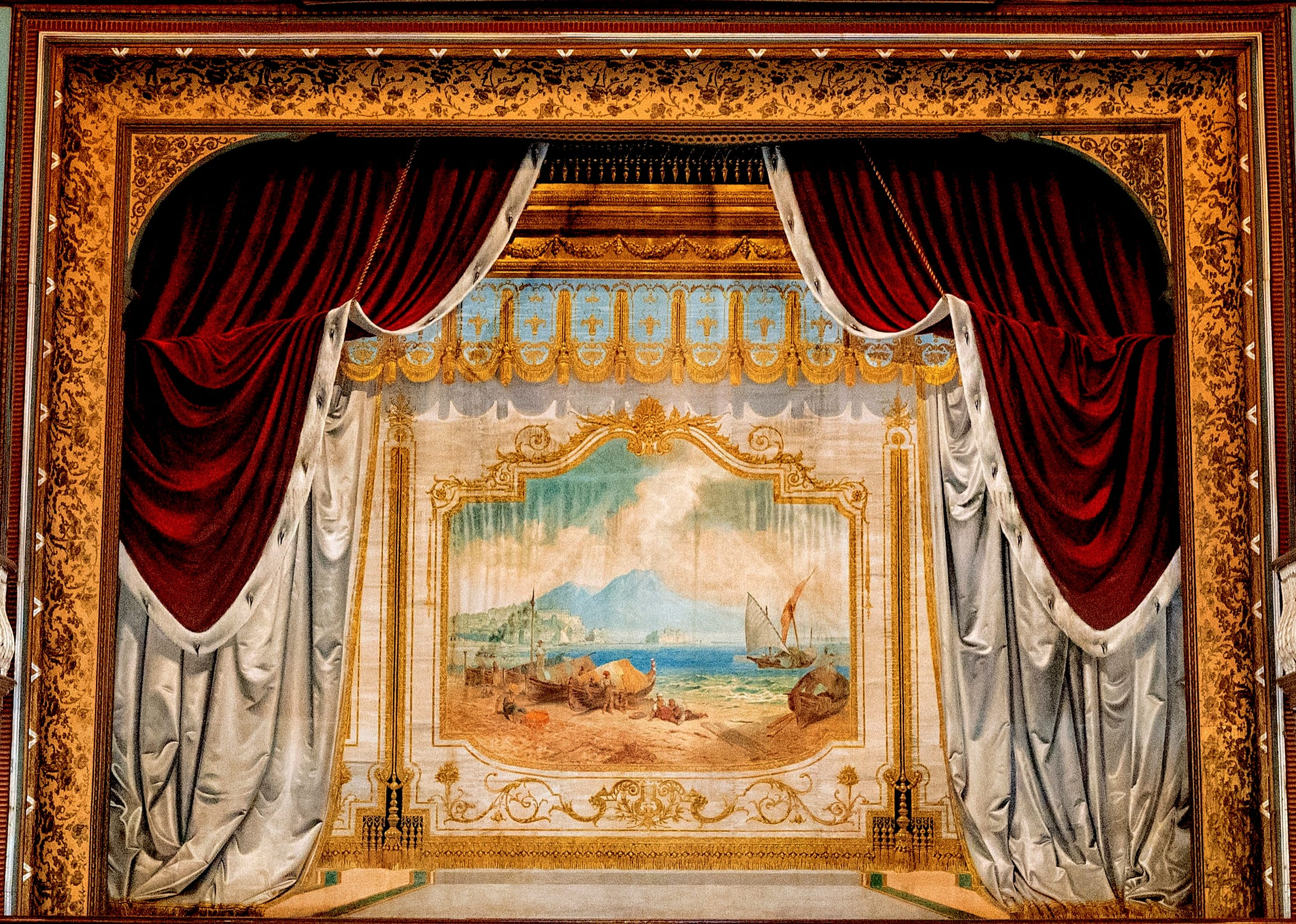 |
 |
 |
| Goatcher Curtain |
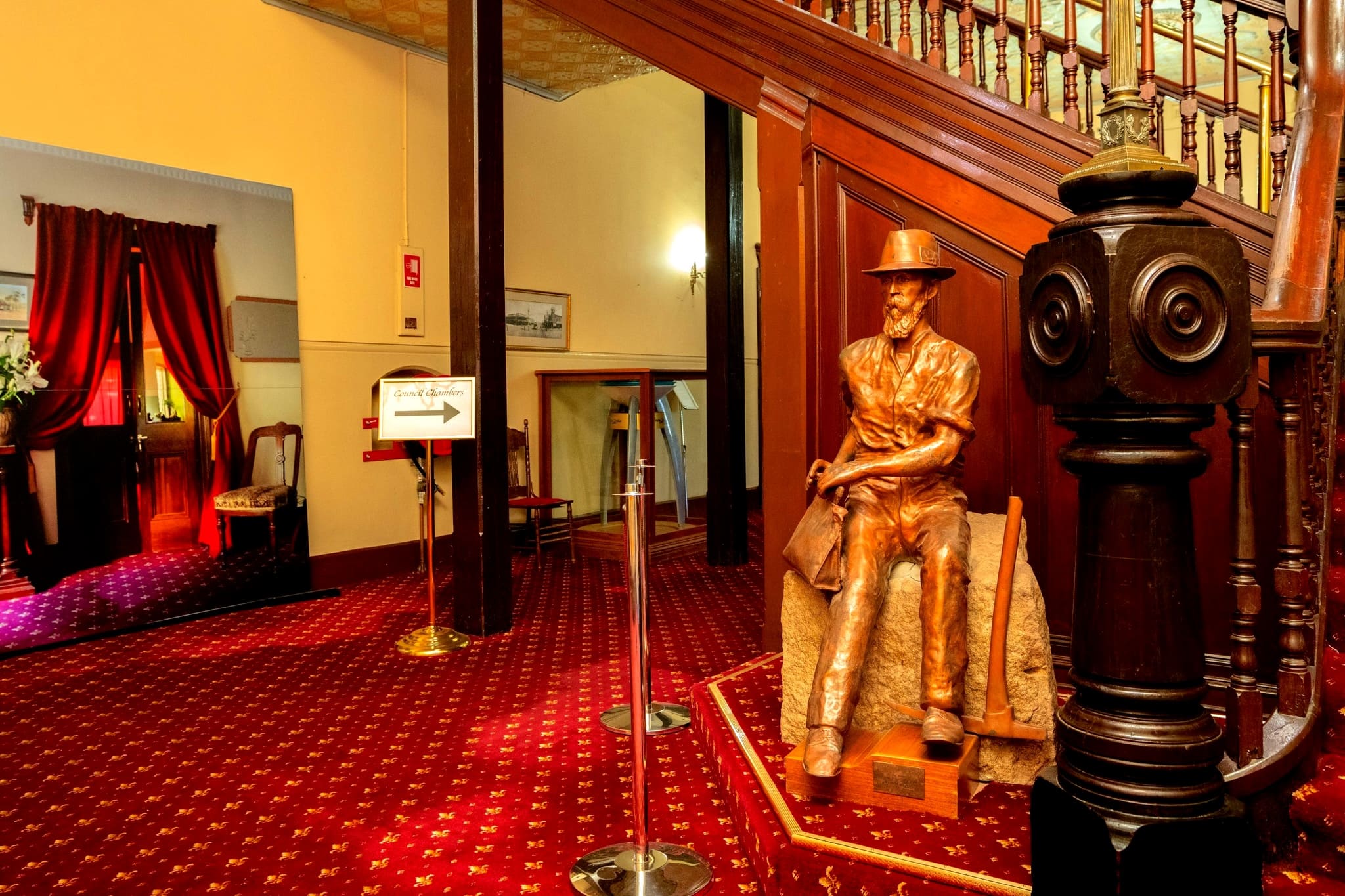
Paddy Hamman Statue |
Town Hall Upper Level |


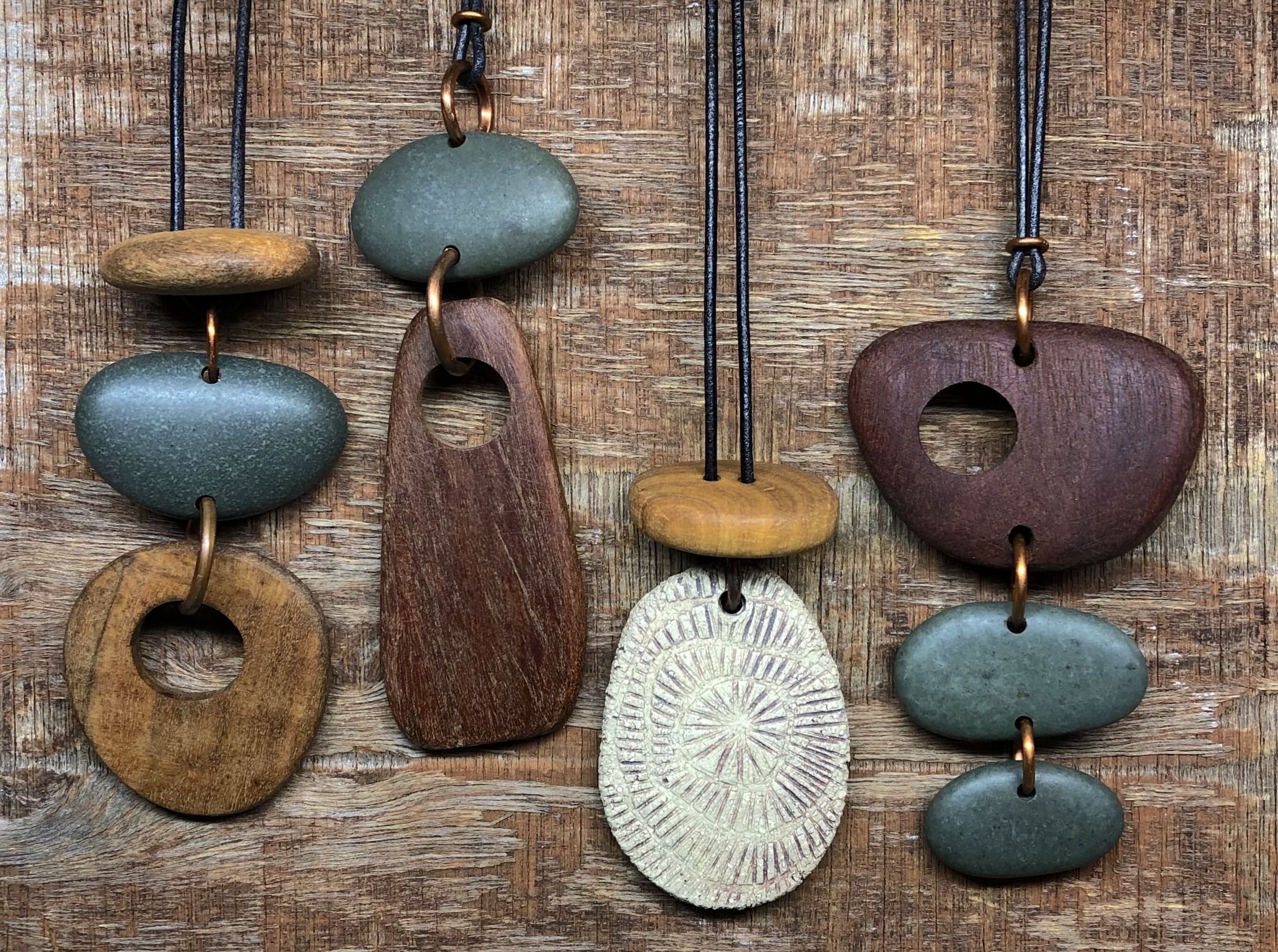 Our tour of Kalgoorlie included one last
stop, at the Chunky Timber Company. Kim "Chunky" Gent
discovered his passion for woodwork in Kalgoorlie 20
years ago and has called it home ever since. He collects and
breathes new life into waste woods, capturing and embracing
their character to create truly one-of-a-kind pieces. Chunky
explained his techniques for reusing wood and took us on a
tour of both the workshop area and the displays of his
finished works. Everyone left with a sample of the Chunk
Timber Company's handiwork. Below is a brief video snippet of
Chunky in action.
Our tour of Kalgoorlie included one last
stop, at the Chunky Timber Company. Kim "Chunky" Gent
discovered his passion for woodwork in Kalgoorlie 20
years ago and has called it home ever since. He collects and
breathes new life into waste woods, capturing and embracing
their character to create truly one-of-a-kind pieces. Chunky
explained his techniques for reusing wood and took us on a
tour of both the workshop area and the displays of his
finished works. Everyone left with a sample of the Chunk
Timber Company's handiwork. Below is a brief video snippet of
Chunky in action.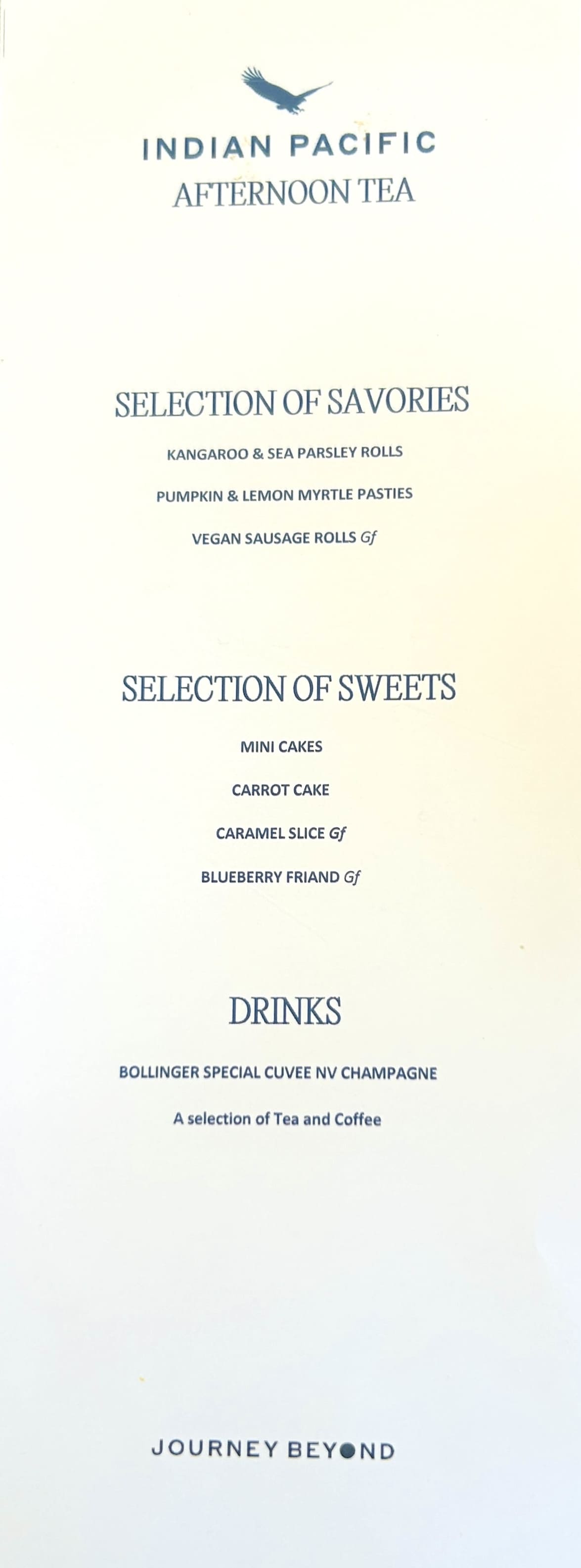
 Returning to the train in the early
afternoon, we set out for our evening destination, the town
of Cook. In place of lunch, we were served high tea, an
occasion that befit the atmosphere of the Indian Pacific
dining car. It included savouries (kangaroo and parsley
rolls, pumpkin and myrtle pasties, vegan sausage rolls)
Sweets (mini cakes, carrot cake, caramel slice, blueberry
friand) and, of course, drinks--Bollinger Special
Cuvée NV Champagne and an assortment of teas and coffee.
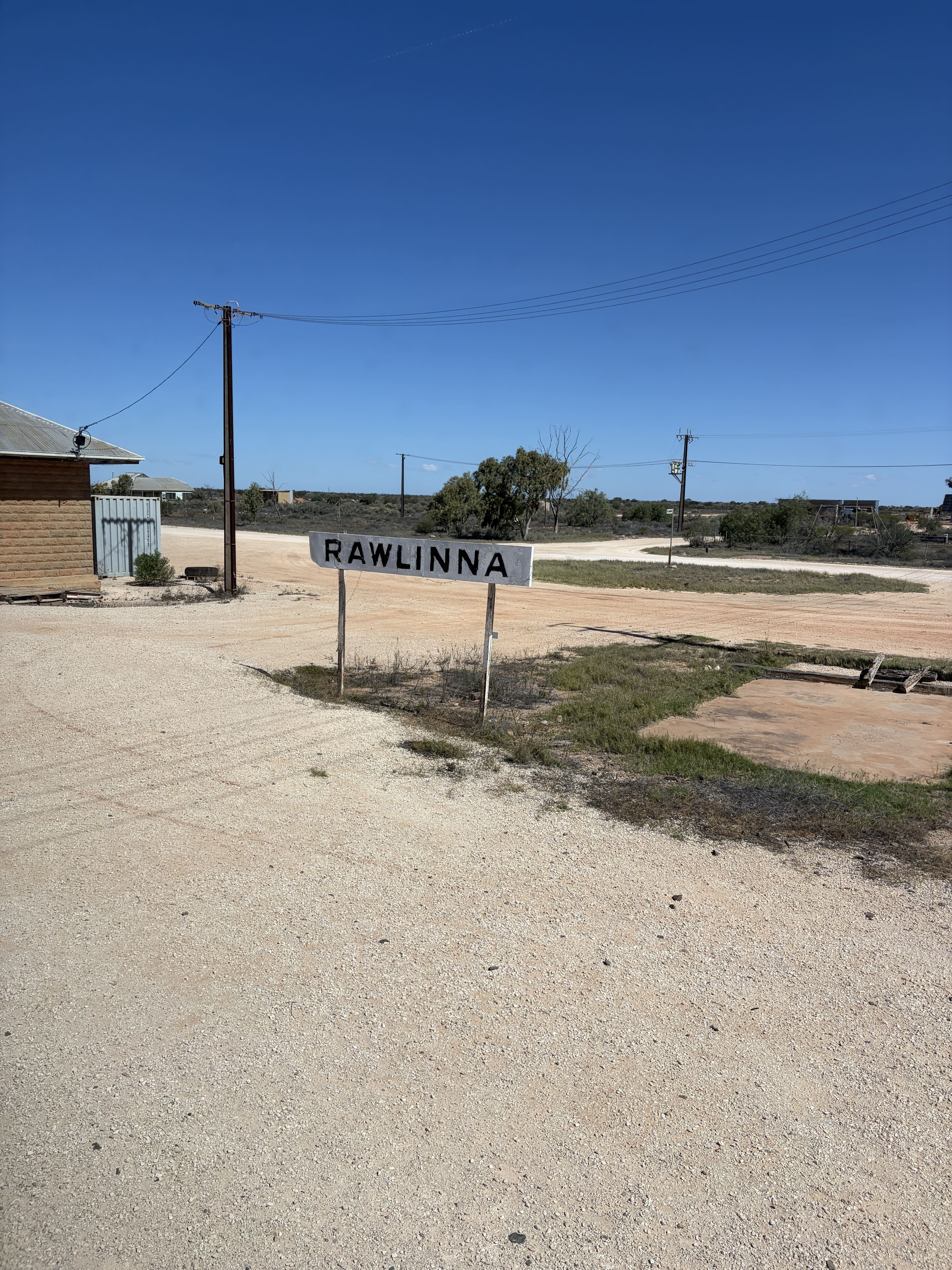
About five hours after departing Kalgoorlie, the train made
a short stop at the nearly deserted town of Rawlinna. In
addition to ferrying guests across the breadth of Australia,
the train delivers mail to several isolated towns in the
Nullabor.
Returning to the train in the early
afternoon, we set out for our evening destination, the town
of Cook. In place of lunch, we were served high tea, an
occasion that befit the atmosphere of the Indian Pacific
dining car. It included savouries (kangaroo and parsley
rolls, pumpkin and myrtle pasties, vegan sausage rolls)
Sweets (mini cakes, carrot cake, caramel slice, blueberry
friand) and, of course, drinks--Bollinger Special
Cuvée NV Champagne and an assortment of teas and coffee.
About five hours after departing Kalgoorlie, the train made
a short stop at the nearly deserted town of Rawlinna. In
addition to ferrying guests across the breadth of Australia,
the train delivers mail to several isolated towns in the
Nullabor. 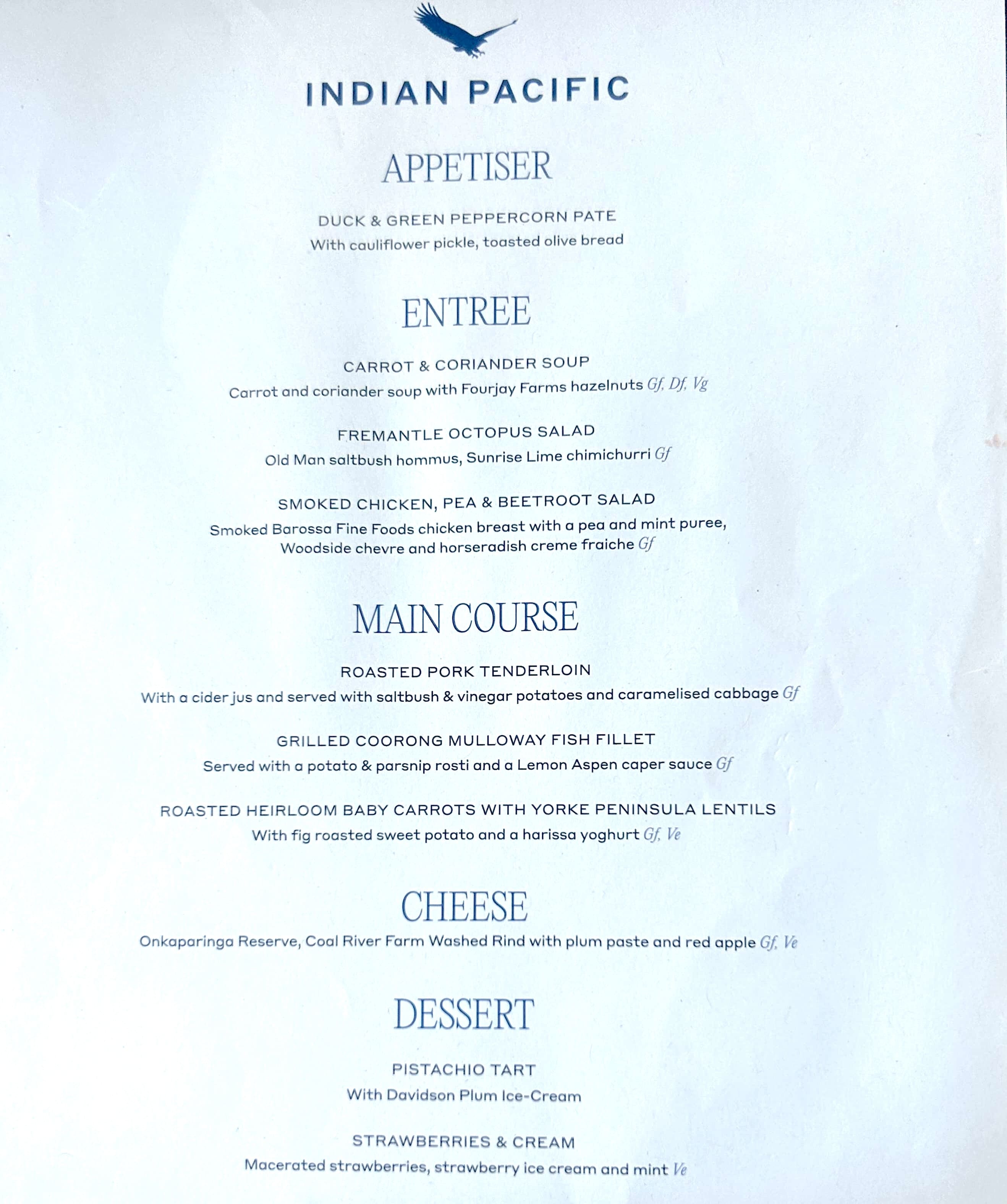 evening we gorged on a meal
that offered an appetizer (duck and green peppercorn), a
choice of three entrees (carrot and coriander soup,
Freemantle octopus salad, smoked chicken pea and beetroot
salad) and three mains (roasted pork tenderloin, grilled
coorong Mullowy fish fillet, or roasted heirloom baby
carrots with yorke peninsula lentils). And, since nothing
succeed like excess, there was a cheese plate on offer, as
well a choice of pistachio tart or strawberries and cream.
evening we gorged on a meal
that offered an appetizer (duck and green peppercorn), a
choice of three entrees (carrot and coriander soup,
Freemantle octopus salad, smoked chicken pea and beetroot
salad) and three mains (roasted pork tenderloin, grilled
coorong Mullowy fish fillet, or roasted heirloom baby
carrots with yorke peninsula lentils). And, since nothing
succeed like excess, there was a cheese plate on offer, as
well a choice of pistachio tart or strawberries and cream.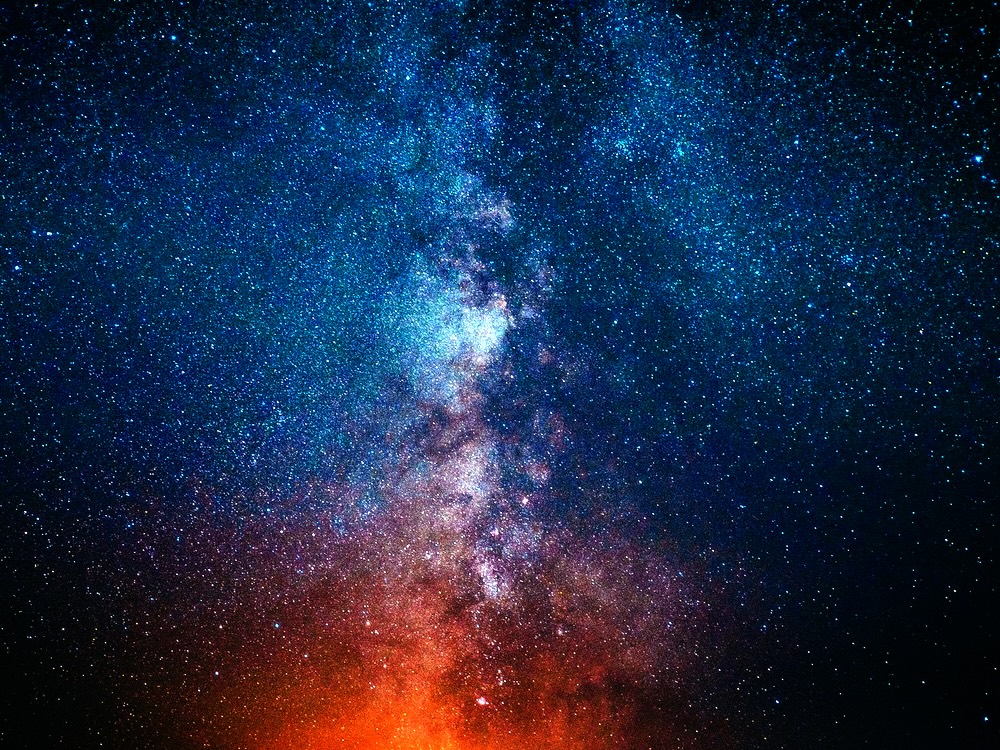 We arrived in
Cook late in the evening and disembarked from the Indian
Pacific, following a small, well-lit path to a bonfire.
Hot chocolate and more potent drinks were served around
the campfire as Billy Bob, the musician who accompanied us
on the train, regaled us with Australian songs. Following
the entertainment, two of the Indian Pacific staff used a
laser pointer to identify key constellations in the
southern hemisphere. Although enlightening, our vision of
the night sky was somewhat obscured by the pathway lights,
as well as the light emenating from the nearby
train. A fun evening, but nothing like the views in
Western Australia's bush. Below is a video snippet of the
campfire entertainment. At around 11 p.m. we boarded the
train as the Indian Pacific continued its journey toward
our next stop, the Barossa Valley.
We arrived in
Cook late in the evening and disembarked from the Indian
Pacific, following a small, well-lit path to a bonfire.
Hot chocolate and more potent drinks were served around
the campfire as Billy Bob, the musician who accompanied us
on the train, regaled us with Australian songs. Following
the entertainment, two of the Indian Pacific staff used a
laser pointer to identify key constellations in the
southern hemisphere. Although enlightening, our vision of
the night sky was somewhat obscured by the pathway lights,
as well as the light emenating from the nearby
train. A fun evening, but nothing like the views in
Western Australia's bush. Below is a video snippet of the
campfire entertainment. At around 11 p.m. we boarded the
train as the Indian Pacific continued its journey toward
our next stop, the Barossa Valley.